The hottest month is the one everybody throws water in
Songkran falls in April at the end of the dry season, when the heat peaks and the rains are still weeks away.
The calendar and the climate
April is the hottest month in most of Thailand. The southwest monsoon, which brings the main rains, does not typically reach Bangkok until May, and the northeast monsoon that waters the Gulf coast has already faded. What April offers instead is a dry, grinding heat — temperatures in Bangkok climb to around 38–40 °C in the hottest afternoons, and humidity is already building without the relief of rain. The land is at its most parched. It is into this specific climatic moment that Songkran, the traditional Thai New Year, arrives.
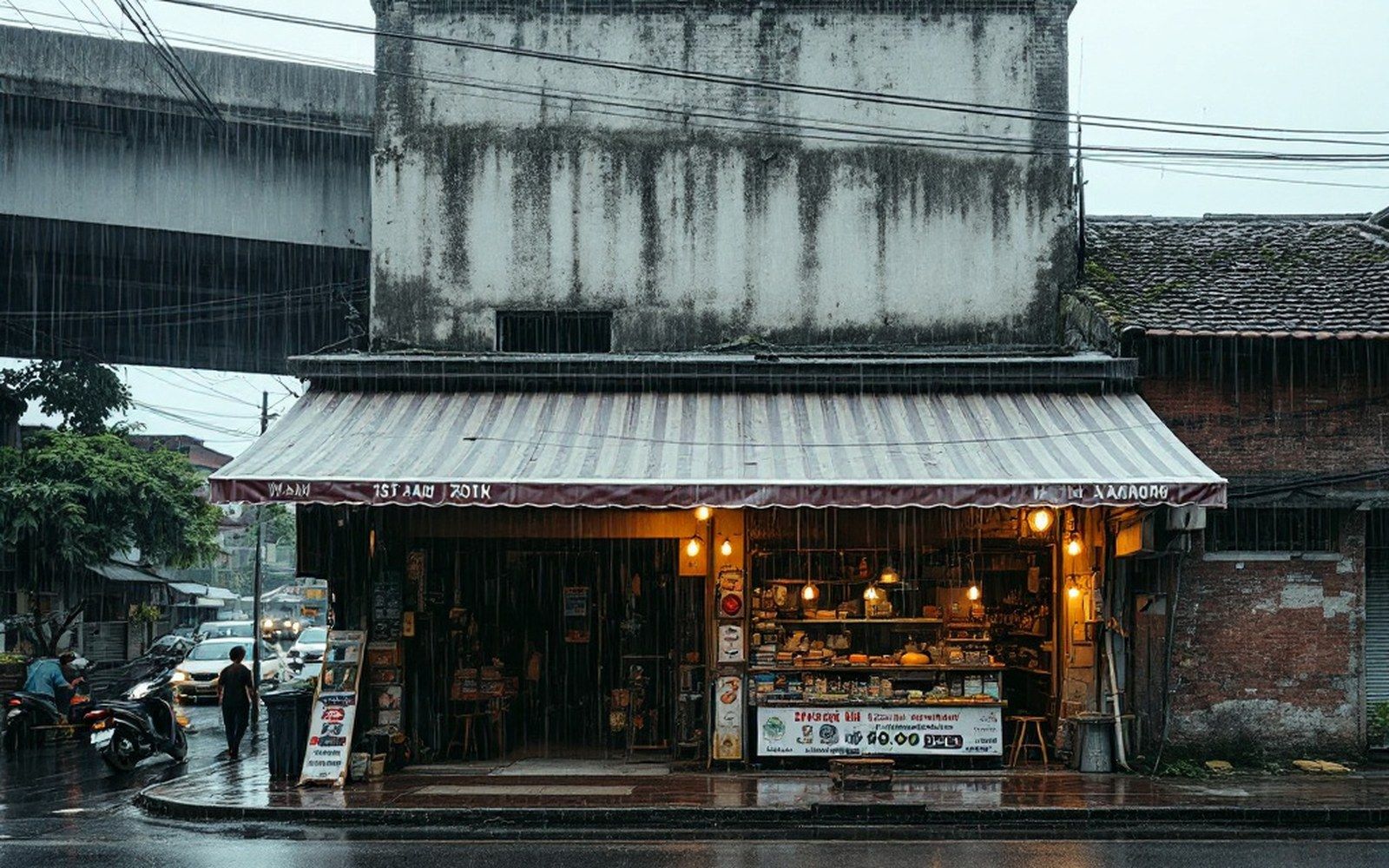
The timing is not accidental. The Songkran festival is calculated by the solar calendar rather than the lunar one that governs most Thai festivals, and it has historically marked the sun's passage into Aries — a moment recognised across South and Southeast Asia as a threshold between the old year and the new. In Thailand it falls on 13 April, with the official period running to 15 April, though in practice the water-throwing extends further in both directions and varies by province. Chiang Mai, in the north, runs one of the longest and most intense celebrations, lasting several days around the old moat.
Water as ritual, water as relief
The water in Songkran is not arbitrary. Pouring or sprinkling water over Buddha images and over the hands of elders — a gesture of blessing and respect, accompanied by the wai, the pressed-palmed bow — is the ritual core of the festival. The street-level drenching that visitors encounter is a popular elaboration of that same logic: water is purifying, water washes away the accumulated misfortune of the year, and water is also, in forty-degree heat, simply welcome.
The contrast between the solemnity of the temple observances and the chaos of the street makes Songkran genuinely two festivals running simultaneously. At Wat Pho in Bangkok, monks chant and families bring offerings; a few streets away, pickup trucks loaded with water barrels and ice move slowly through crowds armed with supersoakers. Neither version cancels the other. The heat is the shared condition that makes both feel rational.
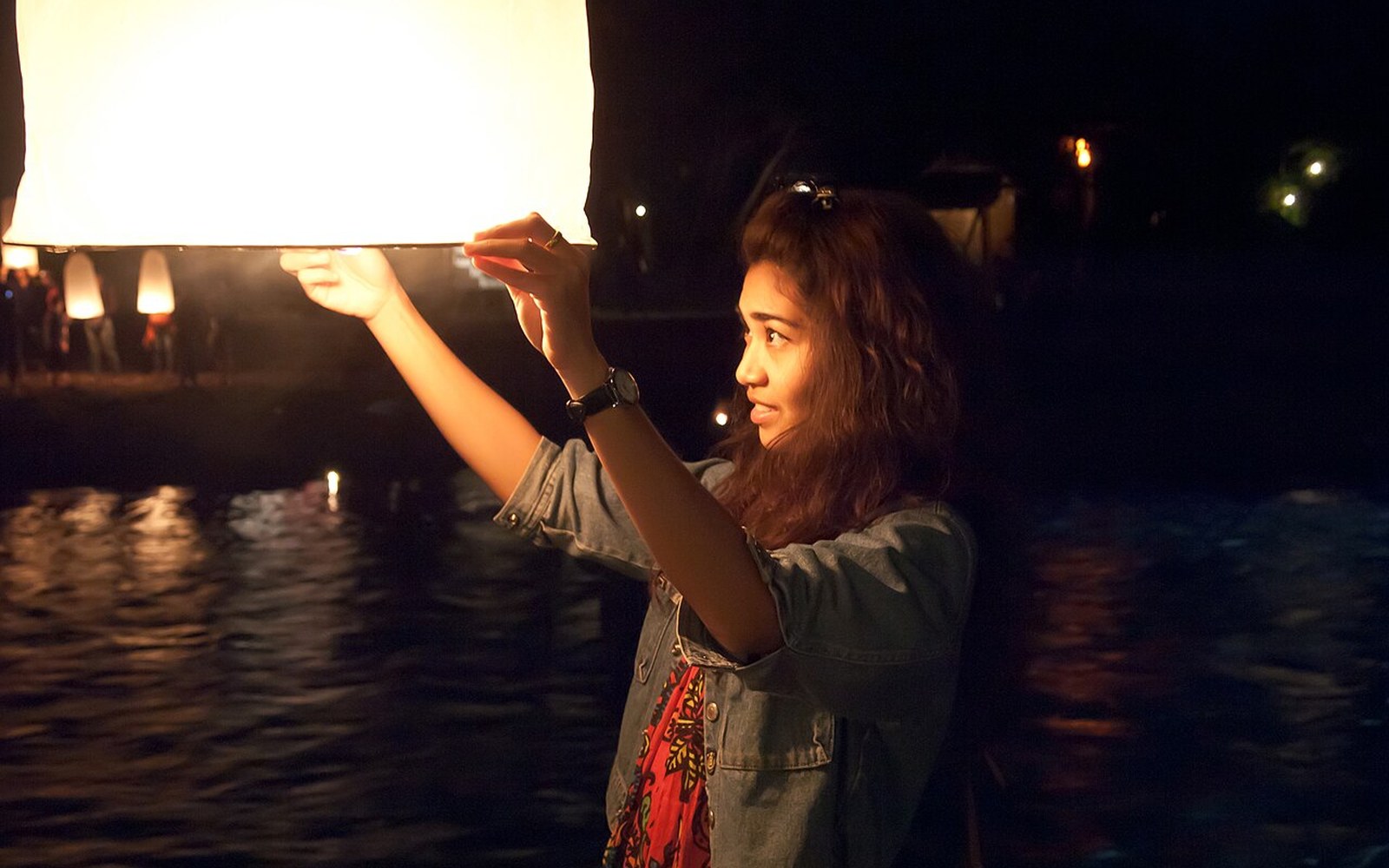
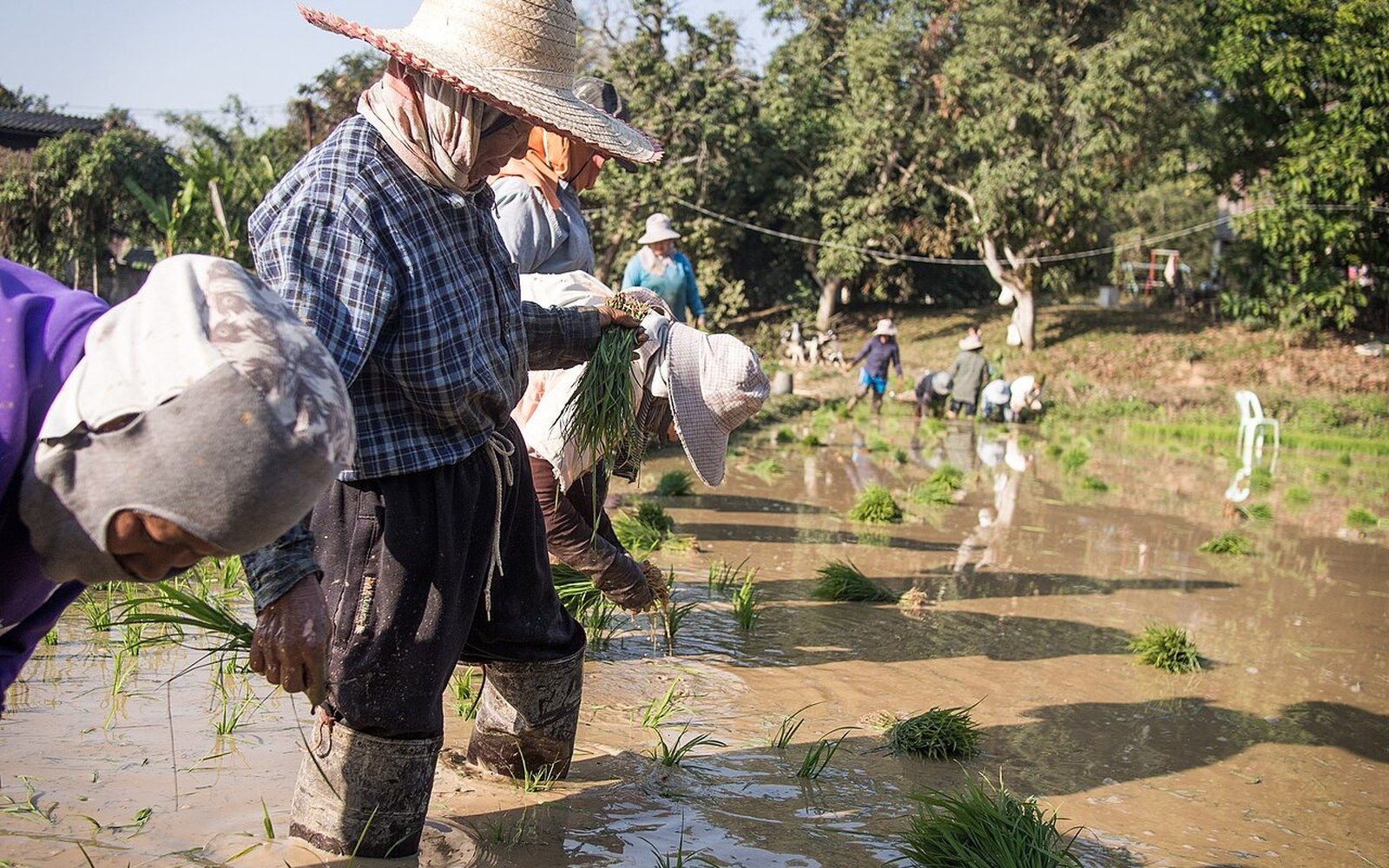
What the water-throwing also does is mark the pre-monsoon threshold in physical terms. The rains, when they arrive in May, will cool everything — briefly, violently, with the drama of a tropical downpour that empties within the hour. Songkran's drenching is a human anticipation of that event, staged in the weeks before the sky does it properly. The timing is embedded in agricultural memory: the rice-planting season cannot begin until the monsoon arrives, and the New Year sits in the gap between the end of one agricultural year and the conditions for the next.
What the heat actually means
For anyone arriving in Thailand during Songkran, the heat is not background — it is the whole weather. Bangkok sits in the central lowlands, which trap and radiate heat more aggressively than the northern valleys or the coasts. The Thai Meteorological Department records April as the peak of the hot season (approximately March through May), which precedes the onset of the southwest monsoon. The coasts complicate this picture: the two coasts operate on different monsoon schedules, and the Andaman side begins receiving rain from the southwest monsoon earliest, while the Gulf coast's main wet season comes later in the year.
The paradox that makes Songkran memorable is precisely this: the festival that involves the most water takes place in the driest, hottest week of the year. The Chao Phraya is at its lowest, the klongs — Bangkok's canals — run sluggish and warm, and the sky is a hard, pale blue. Then several million people tip buckets over each other in the streets, and for a few days the city is soaked anyway, by hand. The rains come when they are ready. April belongs to everyone who got tired of waiting.