The rain sets the planting and the planting sets the year
Thailand's rice calendar does not begin in January. It begins when the southwest monsoon arrives.
The rhythm the rains impose
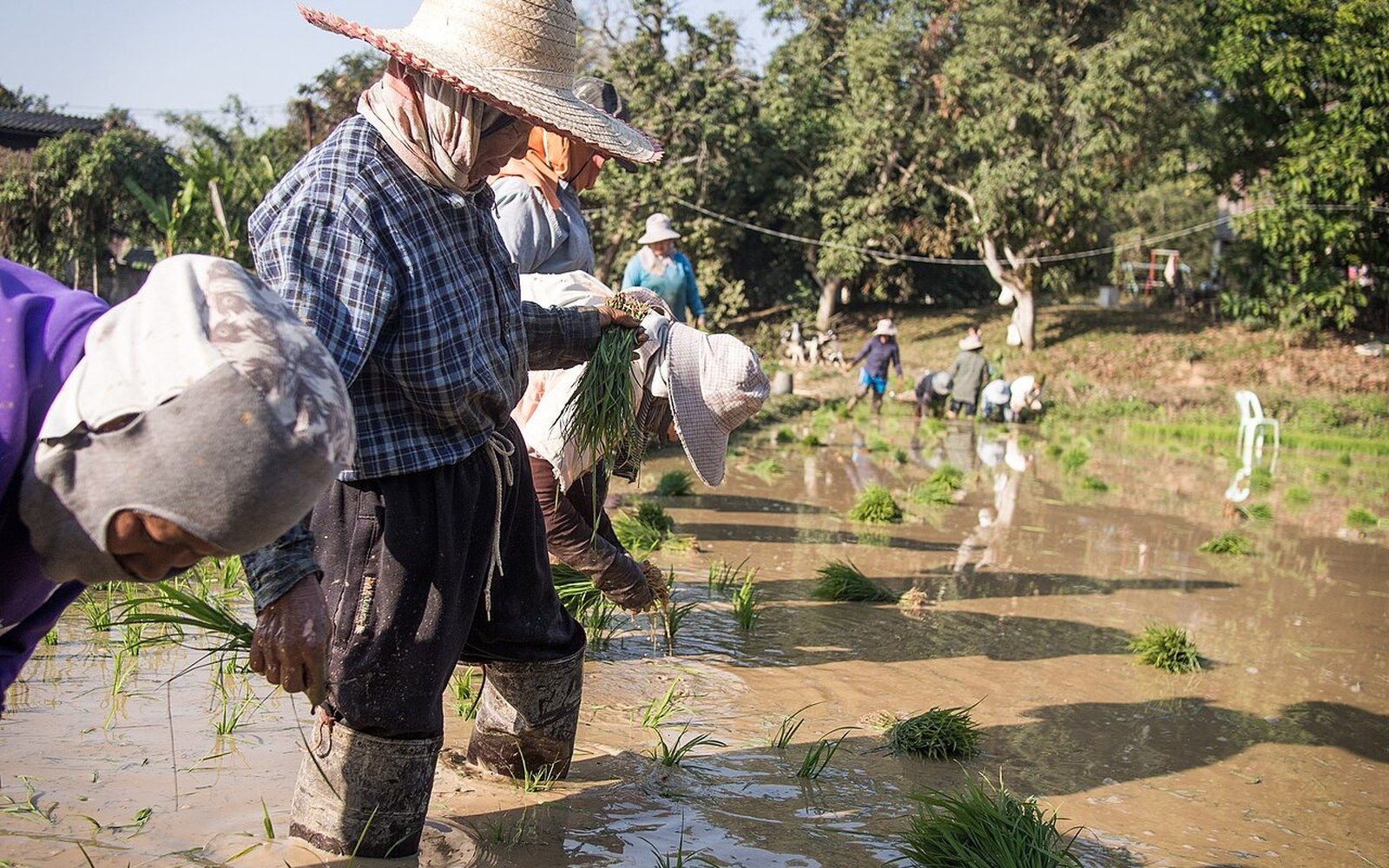
The southwest monsoon reaches southern Thailand in May, pushes northeast through June, and saturates the central plains and the northeast by July. That progression is not background weather. It is the mechanism that dictates when farmers flood their paddies, when transplanting begins, and when the main harvest comes in around November and December, after the rains have retreated.
Thailand is among the world's largest rice exporters, and the variety that underwrites a large part of that trade — khao hom mali, the jasmine rice grown primarily in Isaan, the broad northeastern plateau — is especially tied to photoperiod and rainfall. It is a day-length-sensitive crop: it will not head until the shortening days of late monsoon season trigger flowering. Farmers cannot simply plant earlier and harvest earlier. The biology locks the schedule in place.
The central plains operate on a slightly different logic. Irrigation infrastructure — canals, pump stations, the storage capacity of the Bhumibol and Sirikit dams — allows a second crop through the dry season in some areas. But the main crop, the one that fills the majority of the country's paddies, still follows the rain. When the monsoon arrives late or fails to deliver, the planting date slips, the harvest thins, and the disruption moves through the whole rural economy.
The Isaan plateau is particularly exposed because irrigation there is limited and the soil is sandy and porous, draining quickly between rains. A patchy monsoon that elsewhere merely inconveniences becomes, on the Khorat Plateau, a drought that cuts yields sharply. The northeast has historically produced the country's most marginal rice agriculture and, correspondingly, the largest flows of seasonal labour south to Bangkok — the two coasts, the construction sites, the kitchens.
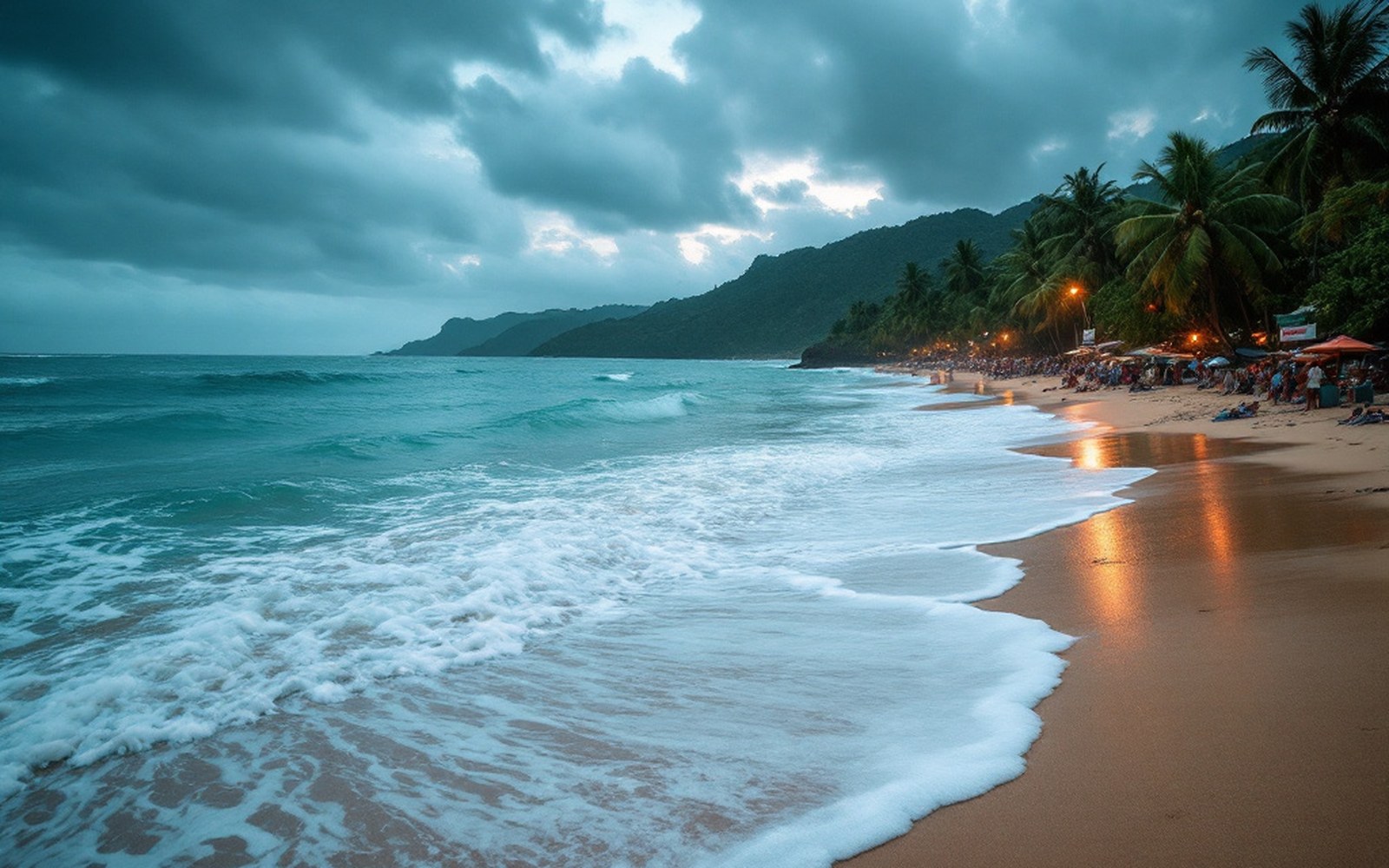
That agricultural rhythm persists even as Thailand urbanises. Songkran in April lands at the dry-season peak, when the harvest is long sold and the next planting not yet begun — which is precisely why it became the moment when migrant workers returned home. The water thrown in the streets is festive, but the season that made the festival possible is the one that takes turns between the two coasts and governs, still, how most of the country orients its year.