A Weekend Market Big Enough to Need a Street Plan
Chatuchak runs to thousands of stalls arranged in numbered sections, which is the only reason anybody finds anything twice.
The Scale of the Thing
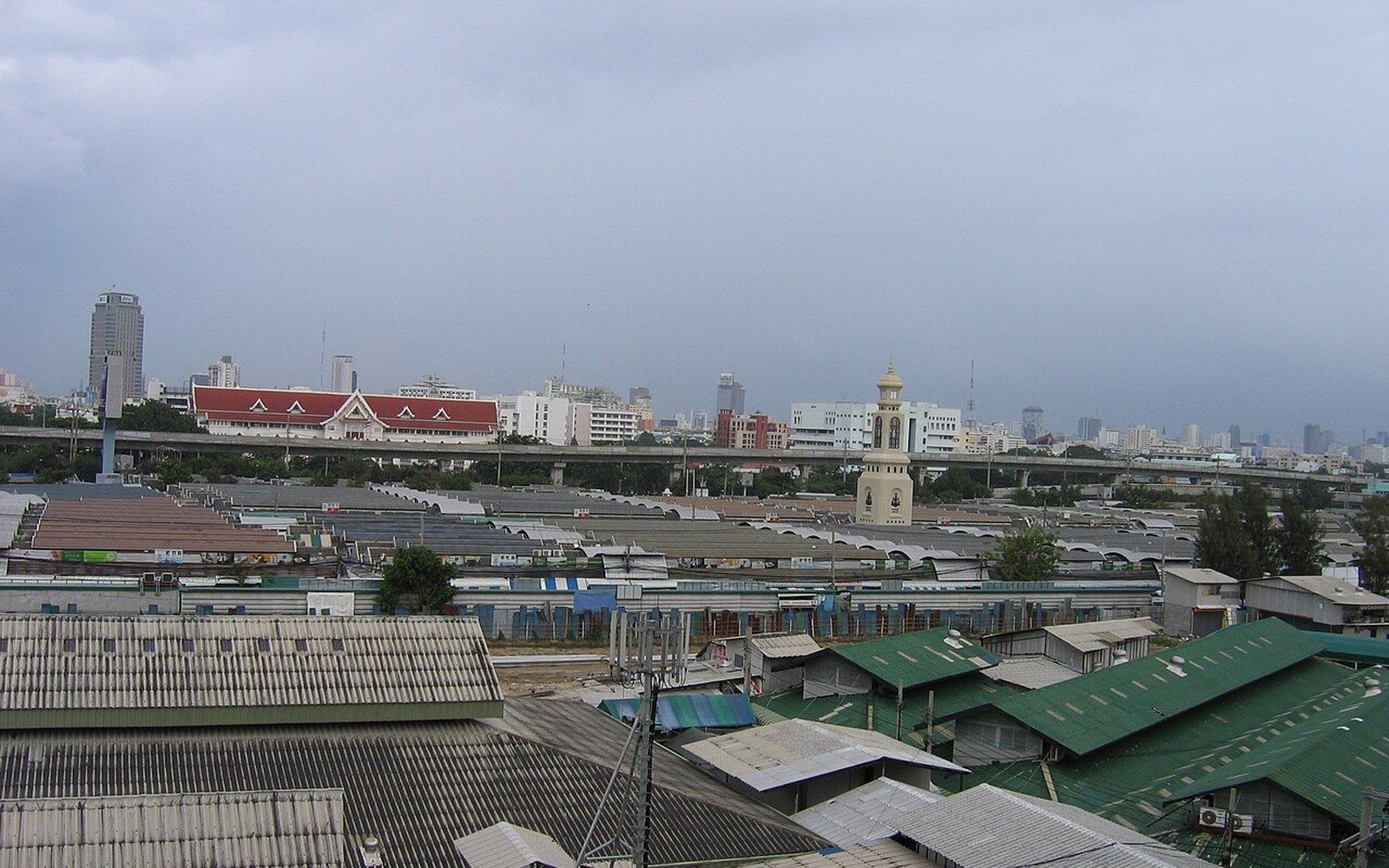
Bangkok's Chatuchak Weekend Market occupies a site in the city's northern districts that, by most counts, holds around fifteen thousand stalls spread across more than thirty-five acres. It operates on Saturdays and Sundays, draws upward of two hundred thousand visitors on a busy weekend, and is large enough that the Bangkok Metropolitan Administration publishes a numbered section map — without which return navigation is guesswork. That map is not a tourist convenience. It is a working tool.
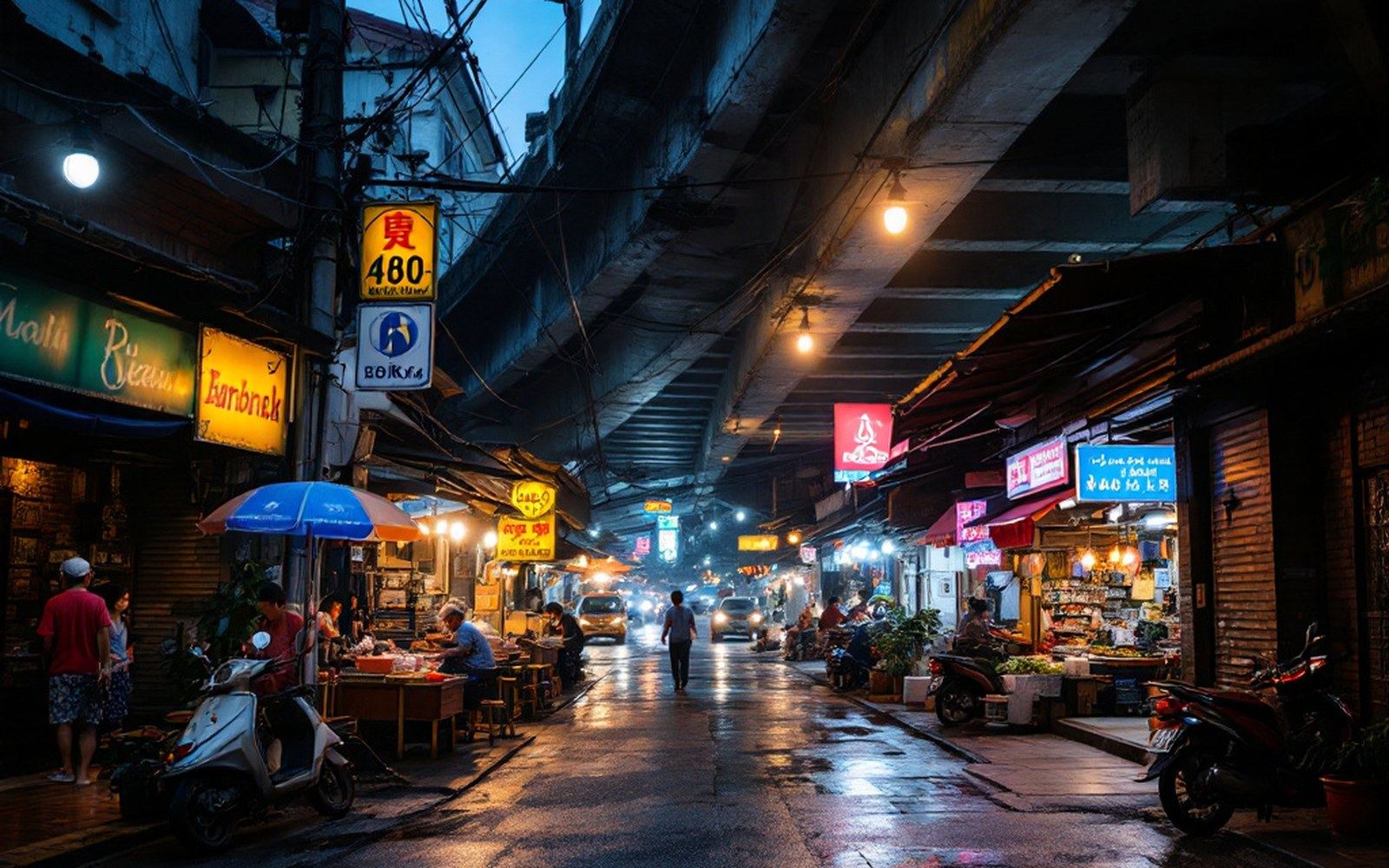
The market is divided into numbered sections, roughly twenty-seven of them, each corresponding to a trade category. Sections 2 and 3 carry clothing. Sections 7 and 8 deal in ceramics and home goods. Antiques, Buddha amulets, and old coins cluster toward the western end. Plants and gardening supplies occupy their own corridor. The taxonomy is imperfect — a ceramics dealer drifts near textiles, a food cart appears without warning inside a furniture row — but the principle holds well enough to be useful. Regulars know their section numbers the way market traders anywhere know their pitch numbers.
What Comes Out of the Sections
Chatuchak is not a souvenir market in the resort-town sense. It sells to Bangkok residents as readily as to visitors: second-hand clothing, bolts of fabric, aquarium fish, live birds, orchids in black plastic pots, raw timber, rattan furniture, reproduction ceramics, and contemporary studio ceramics that are the genuine article. The vintage clothing sections in particular have developed a serious secondary reputation; dealers source from across Thailand and price accordingly.
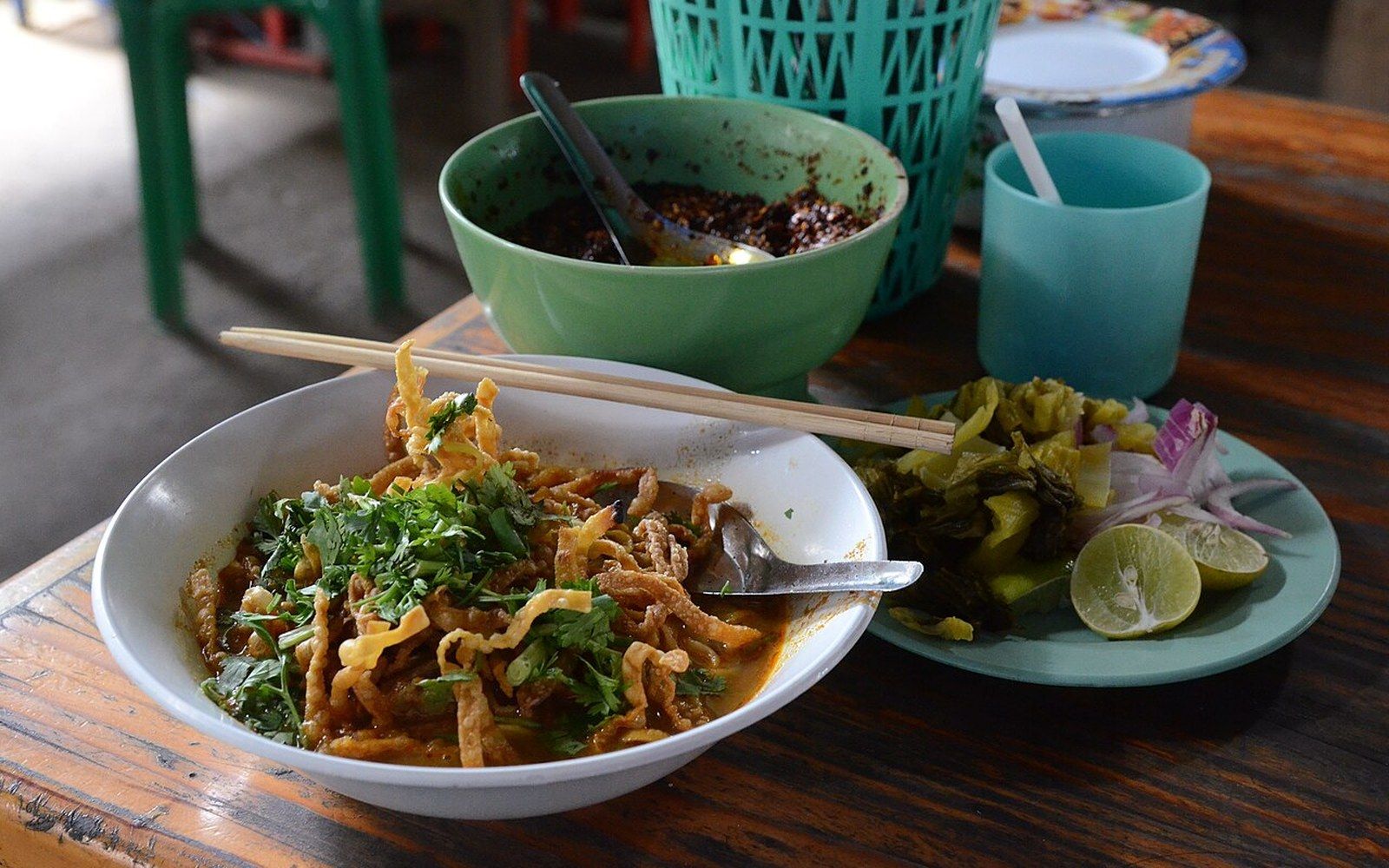
The food section runs its own economy. Som tam — the green papaya salad that Isaan labour brought south with it — appears alongside fried noodles, grilled pork skewers and fruit vendors in the central lanes. Several stalls have traded continuously for decades under the same family. The cooking is fast, functional, and calibrated for people who have been on their feet since early morning.
The market's western perimeter, nearest the Chatuchak Park MRT station, tends toward the more permanent: gallery-adjacent shops with fixed walls and glass fronts, where Thai ceramicists and textile designers sell work that could sit in a design museum. These units run midweek as well, blurring the strict weekend character of the outer stalls. A few have become well enough known to operate as destination visits in their own right.
How It Got This Large
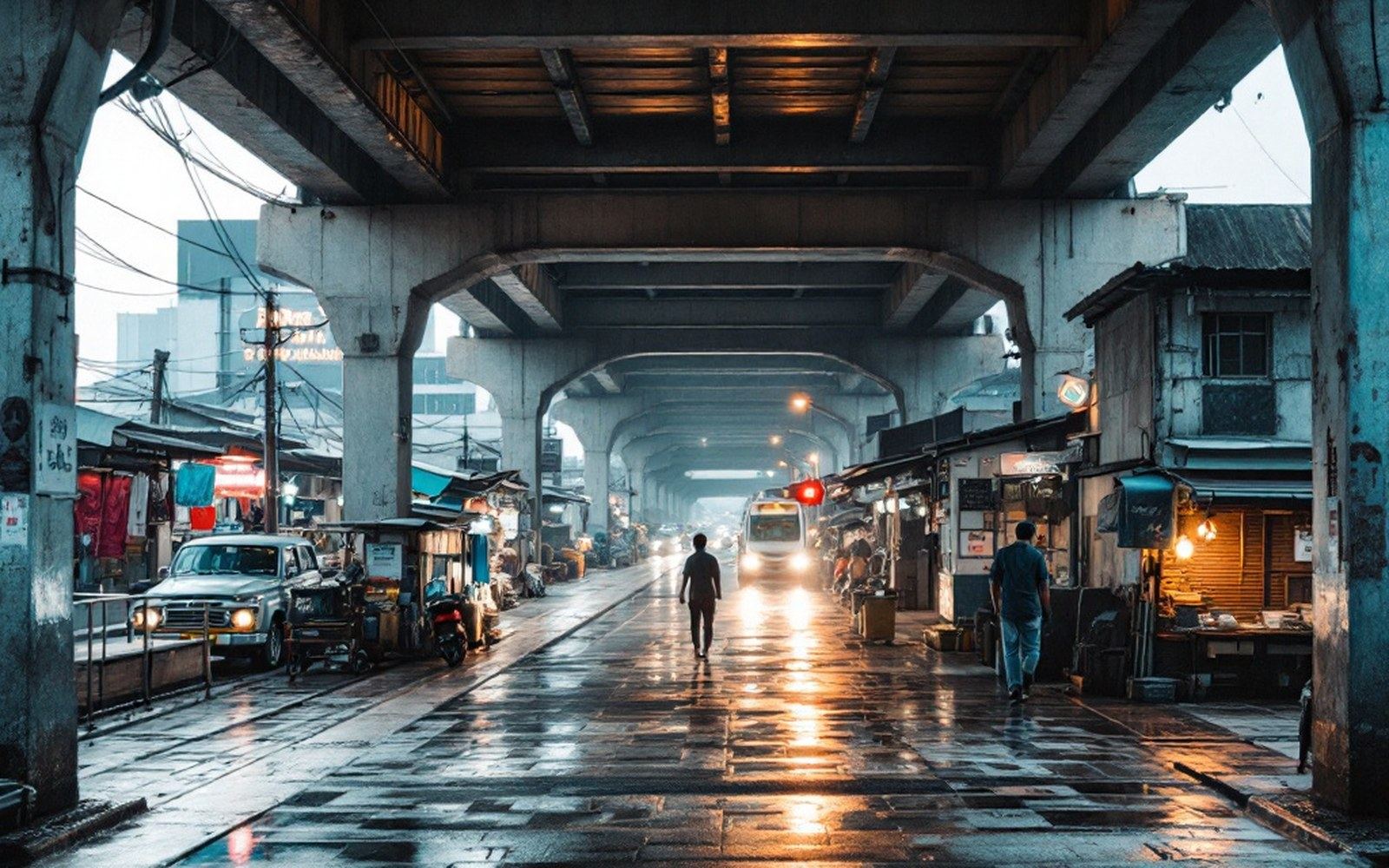
Chatuchak — named after the district, which takes its name from the old Chatuchak train station to the north — consolidated Bangkok's street markets in the 1980s. Vendors who had traded in the old Sanam Luang ground near the Grand Palace and at smaller sites across the city were moved here in stages as urban redevelopment pushed informal commerce outward. The site they landed on had the advantage of proximity to the Mor Chit rail terminus and, from 2004, direct access to the MRT underground line, which made it reachable from central Bangkok without a car.
The market's survival and growth through subsequent decades tracks with a wider pattern. Where Bangkok cleared a canal or straightened a road, informal trade compressed and relocated rather than disappeared; Chatuchak became, in part, a collecting basin for displaced commerce. It is also, demonstrably, a business district: the larger plant and furniture dealers run operations with delivery logistics, warehouse stock, and regular wholesale buyers who never browse.
A visitor arriving without the map tends to find the market disorienting in a way that is not entirely unpleasant — the apparent chaos resolves, on closer inspection, into a legible grid of numbered section signs posted at each entrance — and disorienting in a way that occasionally is. The Bangkok Metropolitan Administration's Chatuchak section guide is available in print at the park's information booths. The numbered grid is the armature on which the whole thing hangs. Without it, fifteen thousand stalls is just fifteen thousand stalls.